Seasonal Home Maintenance Checklist: Troubleshooting Your Fall Heating Startup
Smelling dust or hearing strange noises during your fall heating startup? Use our seasonal home maintenance checklist to know exactly when to call a pro.


If your furnace struggles to warm your home or displays safety or efficiency warnings, it’s time for a prompt evaluation to decide between repair and replacement. This guide walks through the most common replacement signals, explains why they matter, and shows how acting now preserves comfort, cuts utility bills, and protects your household. You’ll learn how furnace age and AFUE (annual fuel utilization efficiency) affect performance, which sounds or smells point to urgent mechanical or combustion problems, and why rising energy bills can signal a failing system. We also offer a simple repair‑vs‑replace framework, numeric examples for estimating upgrade savings, and clear safety steps for issues like cracked heat exchangers or carbon monoxide alarms. Use the diagnostic checklists and comparison tables to evaluate your options, and schedule a professional furnace inspection from a local Centennial provider when you need a skilled assessment. By the end, you’ll know the top replacement triggers and the next steps for your home’s heating system.
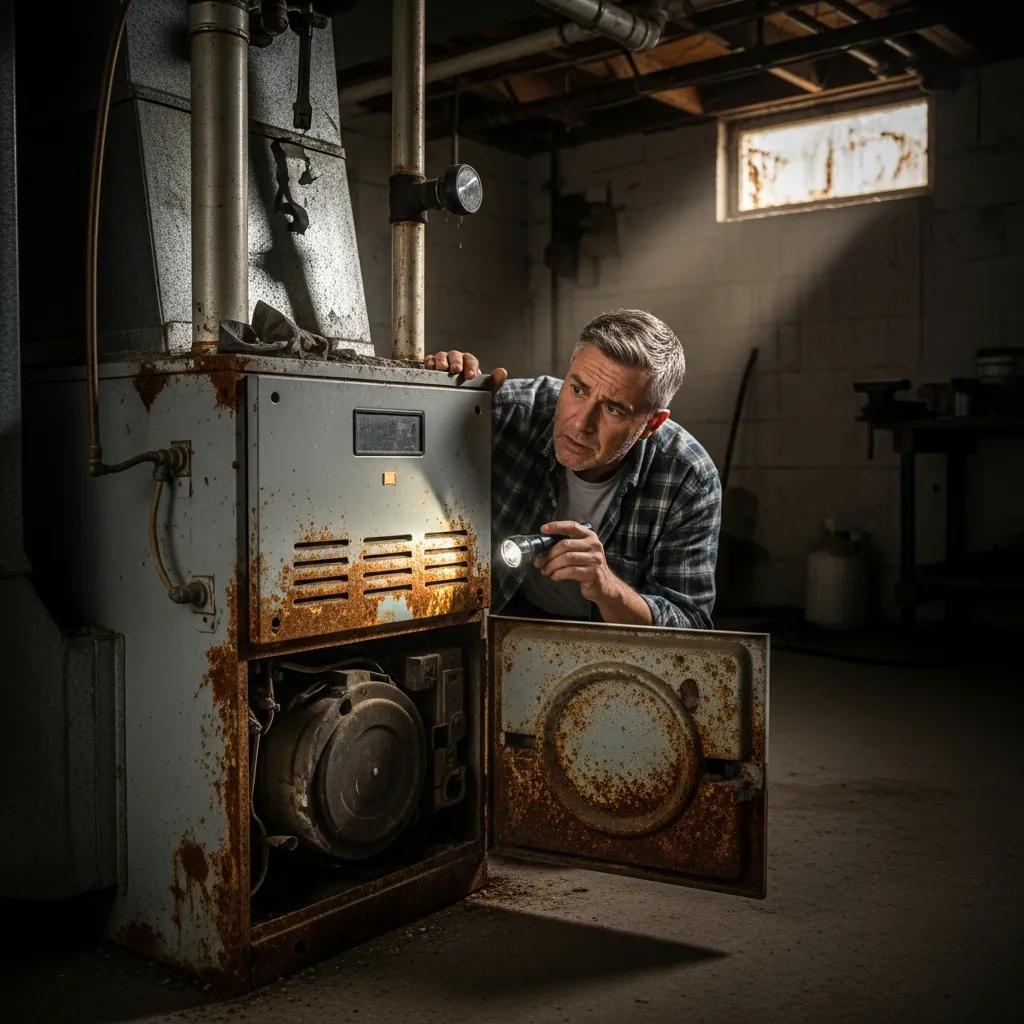
A furnace should be considered for replacement when clear drops in performance or measurable safety and efficiency losses make continued repairs uneconomical or unsafe. Over time parts like the heat exchanger and blower motor wear down, combustion gets less efficient, and AFUE decreases—so the unit uses more fuel and puts out less heat. Spotting these signs early keeps your home comfortable and avoids escalating repair costs. The main indicators to watch are age milestones, frequent repairs, comfort issues, unusual senses (noises or smells), and safety alerts.
Watch for these common signals that replacement may be the best option:
These signs commonly appear together; the more you see, the more likely replacement is the prudent choice. Below we explain how furnace age affects replacement timing and what to watch for as a unit gets older.
Age is a strong predictor of a furnace’s remaining life because wear accumulates on key parts like the heat exchanger, burners, and blower motor. Most gas furnaces run reliably for about 15–20 years, but AFUE and overall performance typically start to slip after 12–15 years. As components wear, fuel use rises and major failures become more likely. When a unit nears the 15–20 year range, weigh the cost of expected repairs against replacement—especially since a modern high‑AFUE model can cut fuel costs. Centennial’s cold winters increase runtime and can speed wear, so age milestones here matter more than in milder climates. Track repair history and AFUE estimates to decide whether continuing to repair is worth the investment or if it’s time to plan a replacement.
Sounds and odors are often the first clues of mechanical or combustion trouble. Banging or popping can mean delayed ignition or thermal expansion issues in the heat exchanger. Screeching or grinding usually signals worn blower bearings or motor problems. Burning or musty smells may be dust burning off after idle periods or electrical overheating. A rotten‑egg or sulfur smell always raises the possibility of a gas leak and requires immediate action. For each sign: check the air filter, shut off the furnace if you smell combustion or hear loud grinding, ventilate the area, and call a professional for a detailed inspection. These steps help you prioritize safety and decide whether repair or replacement will fix the root cause.
Higher heating bills often mean falling furnace efficiency. Worn burners, degraded heat exchangers, clogged filters, and inefficient blower motors make the furnace work harder and use more fuel to deliver the same heat. If your heating costs rise and you’ve ruled out weather or thermostat changes, it’s time to check AFUE and consider replacement if efficiency gains would pay back the investment.
The table below shows typical AFUE bands and how annual fuel use and potential savings can change after upgrading to a higher‑AFUE model for a Centennial, CO home. Use it as a quick check to see whether a replacement could lower your bills.
Moving from a low‑AFUE unit to a high‑efficiency furnace can cut annual fuel use substantially, though exact savings depend on your starting AFUE and local fuel prices. Next we explain why older furnaces drive higher utility costs.
Over time combustion parts and heat‑transfer surfaces accumulate wear, corrosion, and soot. That reduces heat transfer and raises unburned fuel losses. Worn blower motors and clogged filters increase electrical demand and reduce airflow, so the system runs longer to reach temperature. Leaky ducts and poor insulation worsen the problem by losing heated air. In Centennial’s colder months, longer runtimes amplify the cost effects of even modest AFUE declines. Understanding these mechanics helps you spot when a rising bill reflects real system decline rather than short‑term factors.
Choose by comparing furnace age, repair frequency, the failed component, and total repair costs against the expected efficiency and remaining life of a new system. Simple rules of thumb help: if the furnace is over 15 years old and suffers a major failure (heat exchanger, repeated control board failures, or blower motor failure), replacement usually gives better long‑term value. If the unit is younger and the issue is a low‑cost part, repair may be the right call. A side‑by‑side comparison of repair types, typical costs, and expected remaining life clarifies which fixes are short‑term patches and which signal replacement.
This table helps you spot stopgap repairs versus ones that typically lead to full replacement. Keep repair invoices so you can track cumulative spend—repeated moderate repairs in a short span usually favor replacement. After weighing these factors, a repair‑vs‑replace calculator can quantify payback; the next section explains how to use one effectively.
A repair‑vs‑replace calculator turns inputs—current furnace age, date of last major repair, estimated repair cost, current AFUE, and expected replacement AFUE—into payback and break‑even numbers. Enter accurate annual fuel use and local energy rates for realistic dollar savings and payback estimates. Short payback periods (roughly 3–7 years) usually justify replacement; longer paybacks may favor repair if upfront budget is tight. Always validate the calculator’s assumptions with a professional inspection to confirm component condition, duct integrity, and AFUE figures so the recommendation matches real‑world conditions.
Some safety signs require immediate action and often lead to replacement because of carbon monoxide or fire risk. A cracked heat exchanger can let combustion gases, including carbon monoxide, into your home and typically means the furnace should be replaced. Persistent yellow pilot lights, frequent ignition failures, or triggered carbon monoxide detectors are urgent red flags—shut off the furnace, ventilate if safe, and call a professional for emergency evaluation. Addressing these safety issues quickly protects occupants and reduces liability from delayed intervention.
If you see any of the following immediate safety signs, take these steps:
These actions protect health and preserve evidence for technicians. Next, we explain why a cracked heat exchanger usually requires replacement.
The heat exchanger keeps combustion gases separate from the air circulated in your home. When it cracks, combustion byproducts—including carbon monoxide—can leak into the return air and spread through the house. Cracks form over time from metal fatigue, corrosion, and thermal stress, and they can worsen quickly. Exposure to leaked combustion gases causes headaches, nausea, dizziness, and in severe cases, can be fatal. Because of this danger, a confirmed cracked heat exchanger typically leads technicians to recommend full furnace replacement rather than patching the exchanger.
A healthy gas pilot or burner flame burns steady and blue, which indicates complete combustion. A yellow or flickering flame suggests incomplete combustion, soot production, or airflow problems and should be investigated. Carbon monoxide alarms mean combustion products have reached occupied spaces—evacuate, ventilate if safe, and seek emergency help if anyone is symptomatic. After any alarm event, schedule a professional combustion inspection. Repeated yellow flames or CO events usually prompt a recommendation to replace the furnace to restore safe, efficient operation.
Cold spots usually come from airflow imbalance caused by leaky or undersized ducts, closed or blocked vents, poor zoning, or reduced blower performance. If basic fixes—like opening vents, swapping filters, and sealing accessible ducts—don’t help, the problem may be a failing blower motor, reduced heat exchanger output, or a furnace that’s no longer sized for the home. An undersized or degraded furnace will run longer and still fail to deliver enough heat; replacement restores capacity and improves cycle efficiency. A room‑by‑room temperature check while the system runs helps determine whether distribution or the furnace is the main issue.
Replacing a furnace in Centennial, CO typically includes the unit price, installation labor, and any needed ductwork or control upgrades. 2024 market examples put many complete replacements within a broad range, with the final price driven by furnace capacity, AFUE, duct condition, and installation complexity. Benefits include higher AFUE and lower operating bills, better comfort and humidity control, and fewer maintenance headaches and safety risks.
Upgrading to a high‑AFUE unit usually lowers operating costs and reduces maintenance disruptions, and local incentives can shorten the payback period. Below we break down the replacement cost components and variables to watch.
Upgrading to a high‑AFUE furnace brings measurable fuel savings, more consistent indoor temperatures, quieter operation, and lower maintenance needs thanks to newer parts and warranty coverage. Efficient models reduce greenhouse gas emissions per unit of heat and work well with smart thermostats and zoning to further optimize comfort and costs. Local rebates and financing can make upgrades more affordable and shorten payback. Combining a new furnace with duct sealing and thermostat improvements often produces the best overall savings. For homeowners focused on indoor air quality, new systems support better filtration and humidity control, creating healthier indoor environments and lowering total cost of ownership.
These benefits make replacement the logical choice when major repairs or safety issues outweigh the cost of a modern furnace. If you move forward, a professional inspection will help choose the right size and AFUE level for your home.
Replacing an old furnace with a high‑efficiency model reduces greenhouse gas emissions because modern units use less fuel for the same heat output. High‑AFUE furnaces paired with smart controls and zoning further reduce energy waste. Upgrading lowers your carbon footprint while also cutting monthly energy bills.
Annual professional furnace maintenance is recommended—ideally before the heating season—so a technician can clean components, check wear, and confirm safe operation. At home, change or check filters every 1–3 months and keep vents clear to help performance and extend your furnace’s life.
Simple steps help: change or clean filters regularly, seal and insulate ducts, and install a programmable or smart thermostat to avoid wasted heat. Regular professional tune‑ups catch small issues before they grow, keeping your furnace running more efficiently and lasting longer.
Watch for a yellow pilot light, activated carbon monoxide alarms, strong gas or burning smells, or visible cracks in the heat exchanger. If you notice any of these, turn off the furnace, ventilate if safe, and call a professional immediately. Safety should always come first.
Knowing the signs that point to furnace replacement keeps your home safer and more comfortable—and can save money over time. Understand how age, efficiency, and safety warnings affect your options, and use the guidance here to make a clear decision. If you see any warning signs, schedule a professional inspection to review your choices and get a plan tailored to your home. Explore our resources or contact a local provider to find the best solution for your heating needs.


The team at Signature Heating & Air did an excellent job with our new AC installation. They were professional and timely from the onsite quote to the final installation. Their attention to detail was top notch and I highly recommend anyone to give them a call.

I had a very positive experience with all the folks at Signature! Very professional, knowledgeable and honest. They installed a new A/C unit and kept my place clean and they worked with precision and efficiency. Highly recommend them!
I called Signature Heating & Air this morning for a relatively simple job of installing an Ecobee smart thermostat. Quentin came right on schedule and handled it efficiently. He was very helpful and patient to show me how the thermostat worked, etc. Thanks again! I highly recommend this company.
Timely, professional and reasonable pricing. They just replaced both my AC and furnace in about 4 hours. Cleaned up and all is running smoothly. I recommend and will use again when needed.
Steve was great and very professional. He came out and got my HVAC running the same day that I called. I will be using him and his company for my any furnace and AC problems and maintenance.


.webp)
Wisetack - 0% APR up to 24 months (on approved credit)