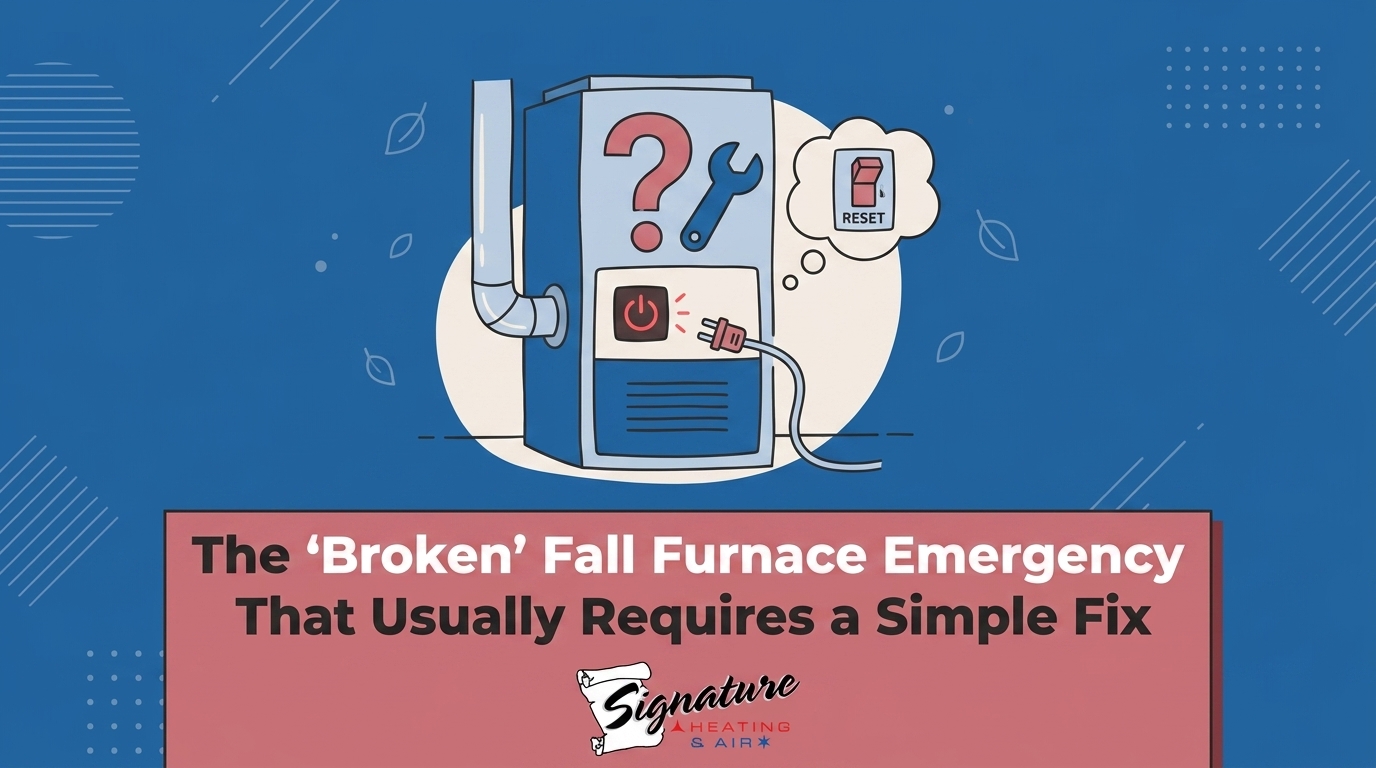
Seasonal Home Maintenance Checklist: Troubleshooting Your Fall Heating Startup
Smelling dust or hearing strange noises during your fall heating startup? Use our seasonal home maintenance checklist to know exactly when to call a pro.



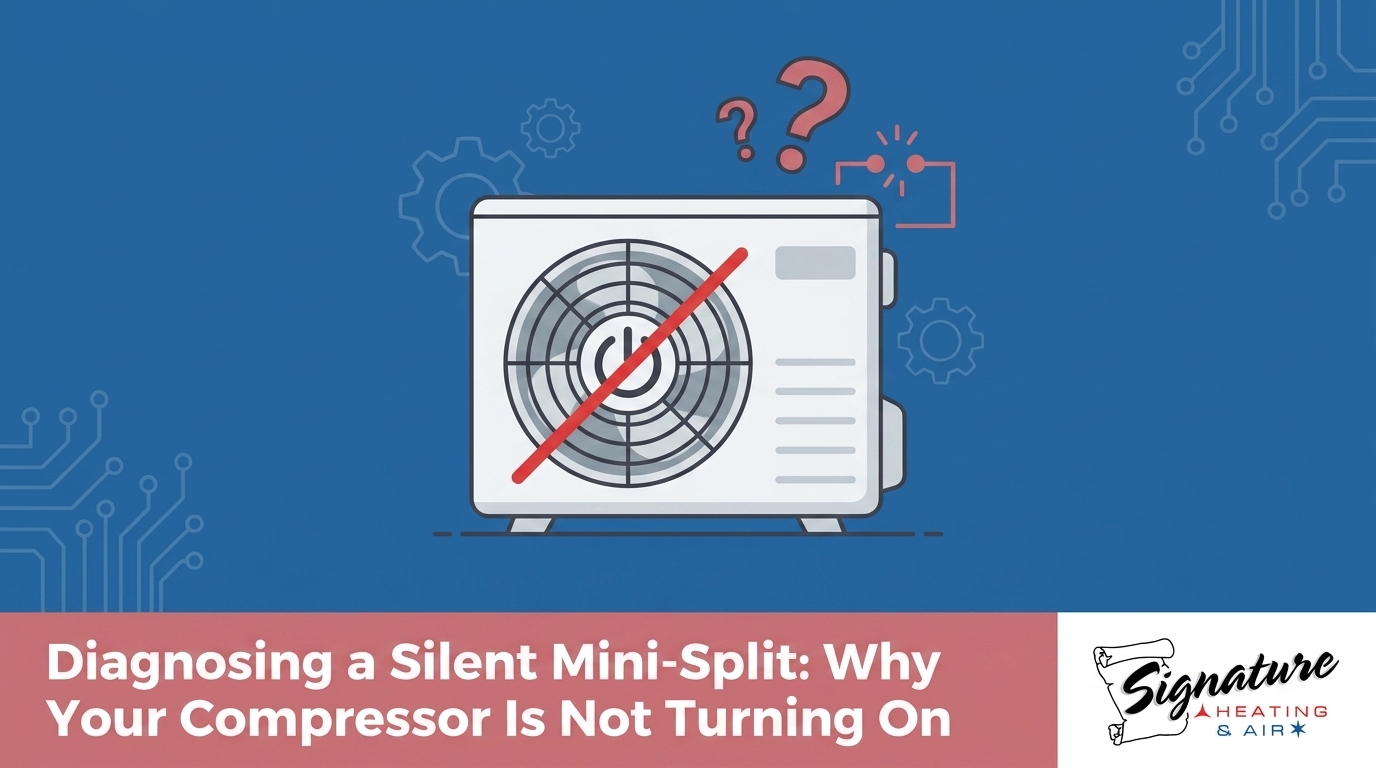
Recognizing when your HVAC system requires professional repair is crucial for maintaining a comfortable and safe home environment. Many homeowners may overlook early warning signs, leading to more significant issues and costly repairs down the line. This article will explore the top signs indicating that you need professional HVAC help, ensuring you can act promptly to avoid further complications. We will cover common HVAC repair warning signs, how to detect AC unit failure early, indicators of furnace issues, the connection between high energy bills and HVAC maintenance, and more. By understanding these signs, you can make informed decisions about when to call an expert technician.
The complexity of modern HVAC systems often makes identifying and diagnosing faults a challenging endeavor for homeowners.
Identifying the most common HVAC repair warning signs can save you time and money. Homeowners should be vigilant about changes in their HVAC system's performance, as these can indicate underlying issues that require immediate attention. Early detection is key to preventing more extensive damage and ensuring your system operates efficiently. Being proactive in observing your system's behavior can prevent minor glitches from escalating into major breakdowns, safeguarding both your comfort and your wallet. Understanding these common indicators empowers you to make timely decisions about professional intervention.
Weak or inconsistent airflow is often a sign of a clogged filter, duct issues, or a malfunctioning blower motor. When airflow is restricted, your HVAC system has to work harder to maintain the desired temperature, leading to increased energy consumption and wear on the system. If you notice that some rooms are warmer or cooler than others, it may be time to check your air filters and ducts. If the problem persists, contacting a professional for a thorough inspection is advisable. This constant strain not only shortens the lifespan of your unit but also compromises indoor air quality by failing to properly circulate filtered air. Regular replacement of air filters is a simple yet effective preventative measure that can significantly improve airflow and system efficiency.
Unusual noises from your HVAC system can indicate various problems. For instance, a rattling sound may suggest loose components, while a high-pitched squeal could indicate a failing motor or belt. Additionally, banging or clanking noises may point to issues with the blower or other internal parts. If you hear any strange sounds, it’s essential to have a technician evaluate the system to prevent further damage. Grinding sounds, for example, often signal worn-out bearings, while a persistent hum might indicate an electrical problem. Ignoring these auditory cues can lead to more severe mechanical failures and potentially costly repairs that could have been avoided with prompt attention.
Detecting signs of AC unit failure early can help you avoid a complete breakdown during the hottest months. Regular maintenance and awareness of your system's performance are crucial for early detection. Proactive monitoring ensures that you can address issues before they lead to uncomfortable indoor temperatures or expensive emergency repairs. A well-maintained AC unit not only provides consistent cooling but also operates more efficiently, saving you money on utility bills.
Key indicators of air conditioner malfunction include inconsistent cooling, increased humidity levels indoors, and frequent cycling on and off. If your AC unit is not cooling effectively or is running continuously without reaching the desired temperature, it may be time to call a technician. These symptoms can indicate refrigerant leaks, compressor issues, or other significant problems that require professional intervention. Elevated indoor humidity not only creates an uncomfortable sticky feeling but can also foster mold growth, impacting air quality and health. Consistent cooling is vital for comfort, and any deviation from normal operation warrants a closer look to prevent further strain on the system.
Refrigerant leaks and water leaks are serious issues that can lead to extensive damage if not addressed promptly. Signs of refrigerant leaks include ice buildup on the evaporator coils and a hissing sound near the unit. Water leaks can result from clogged drain lines or faulty condensate pumps. If you notice either of these issues, it’s crucial to contact a professional immediately to prevent further damage to your system and home. Refrigerant is a hazardous chemical, and leaks not only harm the environment but also reduce your unit's cooling capacity, forcing it to work harder. Water leaks, if left unaddressed, can cause significant structural damage to ceilings, walls, and flooring, creating costly secondary repairs beyond the HVAC system itself.
Furnace issues can lead to uncomfortable living conditions and increased energy bills. Homeowners should be aware of the signs that indicate their furnace may need repair. Beyond comfort and cost, a malfunctioning furnace, particularly a gas-powered one, can pose serious safety risks, including carbon monoxide leaks. Recognizing these indicators early is paramount for ensuring the safety and warmth of your household during colder months.
Inconsistent temperatures throughout your home can indicate a malfunctioning furnace. If some rooms are significantly warmer or cooler than others, it may be due to ductwork issues, a failing thermostat, or problems with the furnace itself. Addressing these inconsistencies early can help maintain comfort and efficiency in your home. This uneven heating forces your furnace to work harder to compensate, leading to higher energy consumption and unnecessary wear and tear on components. Prompt diagnosis can prevent the system from overworking and extend its operational life.
Strange odors coming from your furnace or HVAC system can signal various issues. A burning smell may indicate overheating components or electrical problems, while a musty odor could suggest mold growth within the system. If you detect any unusual smells, it’s essential to turn off the system and contact a professional for an inspection to ensure safety and proper functioning. A sulfur-like or rotten egg smell, for instance, is a critical sign of a gas leak and requires immediate evacuation and professional intervention. Beyond safety, musty or dusty odors can also indicate poor indoor air quality, potentially exacerbating allergies and respiratory issues for occupants.
High energy bills can be a clear indicator that your HVAC system is not operating efficiently. Understanding the reasons behind increased utility costs can help you take action before the problem escalates. When your system struggles to maintain desired temperatures, it consumes more power, directly translating to a heavier financial burden each month. These escalating costs are often the first tangible sign that your HVAC unit is under stress and requires attention.
HVAC inefficiency often results from neglected maintenance, such as dirty filters, blocked ducts, or worn-out components. When your system works harder to maintain the desired temperature, it consumes more energy, leading to higher bills. Regular maintenance can help identify and resolve these issues, ultimately saving you money in the long run. Even minor inefficiencies, like a slightly miscalibrated thermostat or a small refrigerant leak, can cumulatively force your system to run longer and harder. Addressing these seemingly small issues through routine check-ups can restore optimal performance and significantly reduce your monthly energy expenditure.
Research further emphasizes the importance of fault detection and efficiency assessment in HVAC systems to prevent energy waste.
HVAC Fault Detection & Efficiency Assessment
used for energy efficiency assessment and fault detection and diagnosis in HVAC systems. The normal and faulty AC operations were compared.
Fault detection and efficiency assessment for hvac systems using non-intrusive load monitoring: A review, HR Shaker, 2022
Yes, preventative maintenance can significantly reduce energy consumption. Regular inspections and tune-ups ensure that your HVAC system operates at peak efficiency, preventing small issues from becoming major problems. By investing in routine maintenance, you can extend the lifespan of your system and lower your energy bills. This includes tasks like cleaning coils, lubricating moving parts, checking electrical connections, and ensuring proper refrigerant levels. Such proactive care not only optimizes energy use but also enhances the reliability and longevity of your entire HVAC system, providing peace of mind.
Implementing advanced strategies like predictive maintenance can further enhance efficiency and reduce operational costs.
Predictive HVAC Maintenance for Efficiency & Cost Savings
Therefore, this study introduces an efficient self-learning predictive maintenance and fault diagnosis strategy for enhanced HVAC efficiency in buildings. This strategy has the potential to reduce downtime and energy costs through effective predictive maintenance.
Advanced predictive maintenance and fault diagnosis strategy for enhanced HVAC efficiency in buildings, N Es-Sakali, 2024
Frequent cycling or constant running of your HVAC system can indicate underlying issues that need to be addressed. Understanding the causes of these problems can help you take appropriate action. Both scenarios place undue stress on the compressor and other vital components, accelerating wear and tear and leading to premature system failure. Recognizing these operational anomalies is crucial for diagnosing deeper problems before they become critical.
Short cycling occurs when your HVAC system turns on and off frequently, which can lead to increased wear and tear on components. Common causes include oversized units, faulty thermostats, or refrigerant issues. If your system is short cycling, it’s essential to consult a technician to diagnose and resolve the problem before it leads to more significant damage. Beyond mechanical strain, short cycling also wastes energy as the system repeatedly starts up, consuming a surge of power each time, and fails to adequately dehumidify the air, compromising indoor comfort. A professional can accurately pinpoint the root cause and recommend the most effective solution.
Thermostat or sensor issues can cause your HVAC system to misread the temperature, leading to frequent cycling. If the thermostat is malfunctioning, it may not accurately detect the indoor temperature, causing the system to turn on and off unnecessarily. A professional can assess and recalibrate your thermostat to ensure proper functioning. Modern HVAC systems rely on precise sensor readings to maintain optimal performance; when these sensors fail or become inaccurate, the system loses its ability to regulate temperature efficiently. This can result in not only frequent cycling but also significant temperature swings, diminishing overall comfort and increasing energy consumption.
Water leakage or ice formation around your HVAC unit can signal significant issues that require immediate attention. Understanding these signs can help you prevent further damage. These visible indicators are often symptoms of underlying problems that, if ignored, can lead to extensive property damage, mold growth, and costly repairs to the HVAC unit itself. Prompt action upon noticing either water or ice is critical to mitigate risks.
Common causes of water leaks around HVAC units include clogged drain lines, damaged condensate pumps, or refrigerant leaks. If you notice water pooling around your unit, it’s crucial to address the issue promptly to prevent water damage to your home and ensure your system operates efficiently. A clogged condensate drain line, for instance, can cause water to back up and overflow into your home, while a faulty condensate pump may fail to remove the collected moisture. Even minor refrigerant leaks can lead to ice formation, which then melts and causes water damage, highlighting the interconnectedness of these issues.
Ice formation on your HVAC unit can severely impact its performance and safety. Ice buildup can restrict airflow, leading to reduced efficiency and potential system failure. Additionally, it can pose safety hazards, such as water damage when the ice melts. If you notice ice on your unit, it’s essential to contact a professional for an inspection and repair. This often occurs due to low refrigerant levels, a dirty air filter, or a malfunctioning blower, all of which prevent the evaporator coil from absorbing enough heat. Prolonged ice buildup can permanently damage the compressor, leading to a complete system breakdown and a much more expensive replacement.
This table summarizes common HVAC warning signs, their possible causes, and recommended actions to take. By being proactive and addressing these issues early, you can maintain your HVAC system's efficiency and longevity.
In conclusion, recognizing the signs that indicate the need for professional HVAC repair is essential for maintaining a comfortable and safe home environment. If you notice any of the warning signs discussed in this article, such as weak airflow, unusual noises, or high energy bills, it is crucial to contact a professional technician. Signature Heating & Air, a family-owned business established in 1999, specializes in providing expert heating, cooling, and indoor air quality solutions. By addressing HVAC issues promptly, you can ensure your system operates efficiently and effectively for years to come.
Recognizing the signs that indicate the need for professional HVAC repair is essential for maintaining a comfortable and safe home environment. By addressing issues such as weak airflow, unusual noises, or high energy bills promptly, you can ensure your system operates efficiently and effectively. Don't hesitate to reach out to a qualified technician to assess your HVAC needs and prevent further complications. Explore our services at Signature Heating & Air to keep your home comfortable year-round.


The team at Signature Heating & Air did an excellent job with our new AC installation. They were professional and timely from the onsite quote to the final installation. Their attention to detail was top notch and I highly recommend anyone to give them a call.

I had a very positive experience with all the folks at Signature! Very professional, knowledgeable and honest. They installed a new A/C unit and kept my place clean and they worked with precision and efficiency. Highly recommend them!
I called Signature Heating & Air this morning for a relatively simple job of installing an Ecobee smart thermostat. Quentin came right on schedule and handled it efficiently. He was very helpful and patient to show me how the thermostat worked, etc. Thanks again! I highly recommend this company.
Timely, professional and reasonable pricing. They just replaced both my AC and furnace in about 4 hours. Cleaned up and all is running smoothly. I recommend and will use again when needed.
Steve was great and very professional. He came out and got my HVAC running the same day that I called. I will be using him and his company for my any furnace and AC problems and maintenance.


.webp)
Wisetack - 0% APR up to 24 months (on approved credit)